Is Music Education Better Than Traditional Learning for Young Brains?
An infant’s brain is like a freshly built highway system with millions of roads waiting to connect. From birth, the brain forms neural connections at lightning speed. Every sound, touch, and interaction strengthens these connections. Critical Windows of Learning in Infancy. Why Ages 0–6 Matter the Most. Between ages 0 and 6, the brain is incredibly flexible. This is when learning feels effortless. Experiences during this period shape how children think, feel, and solve problems later in life. That’s why infant brain development is such a hot topic among educators and neuroscientists.
Understanding Early Brain Development
What Happens in the Infant Brain During Early Years
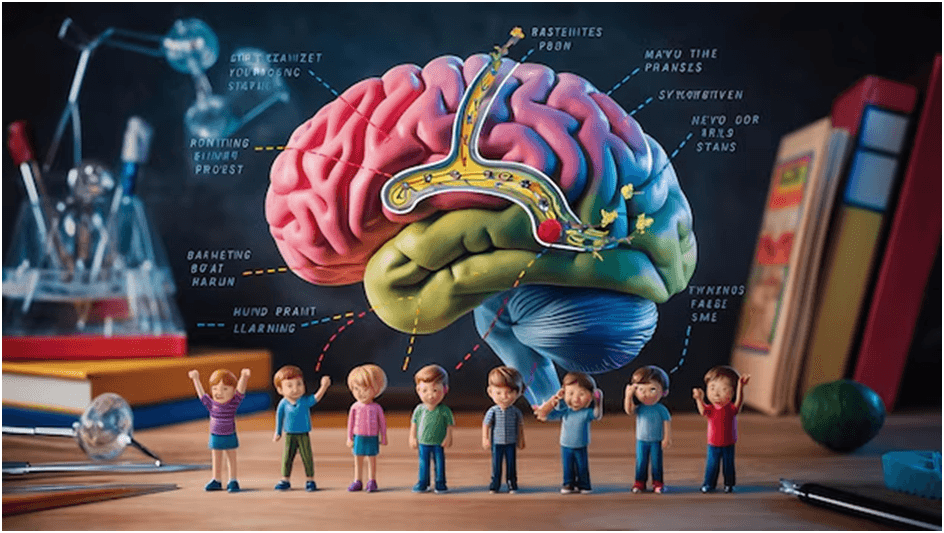
An infant’s brain is like a freshly built highway system with millions of roads waiting to connect. From birth, the brain forms neural connections at lightning speed. Every sound, touch, and interaction strengthens these connections.
Critical Windows of Learning in Infancy
Why Ages 0–6 Matter the Most
Between ages 0 and 6, the brain is incredibly flexible. This is when learning feels effortless. Experiences during this period shape how children think, feel, and solve problems later in life. That’s why infant brain development is such a hot topic among educators and neuroscientists.
What Is Traditional Learning for Young Children?
Classroom-Based Learning Explained
Traditional learning focuses on structured lessons—alphabets, numbers, shapes, and routines. It often relies on repetition, worksheets, and teacher-led instruction.
Strengths of Traditional Learning Models
There’s no denying its benefits. Traditional learning builds discipline, basic literacy, and familiarity with academic environments.
Limitations of Traditional Learning for Infant Brain Development
However, for very young children, sitting still and memorizing concepts can feel unnatural. Infant brains crave movement, sound, and emotional connection, areas where traditional learning sometimes falls short.
What Is Music Education for Children?
Defining Child Music Education
Child music education uses rhythm, melody, and sound to stimulate learning. It’s not about creating musicians, it’s about using music as a learning tool.
Types of Music-Based Learning for Infants
Singing, Rhythm, and Sound Play
Simple activities like clapping, humming, or bouncing to a beat help children understand patterns and timing.
Musical Pitch and Listening Exercises
Listening to different pitches and tones trains the brain to recognize subtle sound differences, a skill closely linked to language and reading.
How Music Impacts Infant Brain Development
Music and Neural Connections
Music lights up multiple areas of the brain at once. It strengthens connections between the left and right hemispheres, improving overall brain efficiency.
Role of Rhythm and Melody in Cognitive Growth
Rhythm helps children predict patterns, while melody supports memory. It’s like giving the brain a fun workout instead of a boring lecture.
Language Development Through Music
Ever noticed how babies respond to songs before words? Music improves pronunciation, vocabulary, and listening skills, key foundations for communication.
Music Education vs Traditional Learning
Cognitive Development Comparison
Traditional learning teaches what to think. Music education teaches how to think. Music enhances problem-solving, sequencing, and abstract thinking.
Emotional and Social Development
Music encourages expression. Children learn to manage emotions, collaborate, and empathize, skills that traditional learning may not prioritize early on.
Creativity vs Memorization
While traditional methods focus on memorization, music education fuels creativity. It encourages exploration rather than right-or-wrong answers.
Engagement and Attention Span
Let’s be real, kids get bored easily. Music keeps them engaged. A singing child is a focused child.
Scientific Insights on Child Music Education
Brain Plasticity and Music Training
Music training enhances brain plasticity, making it easier for children to learn new skills later.
Music and Executive Function Skills
Skills like planning, self-control, and flexible thinking improve significantly through regular music exposure.
Real-Life Benefits of Music Education
Improved Memory and Focus
Children involved in music-based learning often show stronger memory retention and longer attention spans.
Enhanced Emotional Intelligence
Music helps children recognize and regulate emotions, both their own and others’.
Early Academic Advantages
Music learners often perform better in math and reading because music strengthens pattern recognition and auditory processing.
Can Music Replace Traditional Learning?
Why Balance Matters
Music education isn’t about replacing traditional learning, it’s about enhancing it. Think of music as the engine and traditional learning as the roadmap.
Integrating Music into Daily Learning
Songs for alphabets, rhythm for counting, and melodies for storytelling make learning effortless and enjoyable.
How Parents Can Support Music-Based Learning
Simple Musical Activities at Home
Sing daily, play different types of music, and encourage your child to move with rhythm. No instruments required.
Choosing the Right Music Programs
Look for programs that focus on infant brain development, not performance pressure.
The Future of Learning for Young Brains
Why Music-Based Education Is Gaining Attention
As science uncovers how the brain truly learns, music education is stepping into the spotlight as a powerful developmental tool.
Final Verdict
Is Music Education Better Than Traditional Learning?
Music education offers a richer, more natural way to support infant brain development. While traditional learning has its place, music taps into how young brains are wired to learn, through sound, emotion, and movement. The best approach? A thoughtful blend of both.
Conclusion
When it comes to nurturing young minds, music education isn’t just an extracurricular activity, it’s a brain-building powerhouse. By combining child music education with traditional learning, parents can give their children a stronger cognitive, emotional, and creative foundation that lasts a lifetime.
FAQs
- Can music really improve infant brain development?
- At what age should music education start?
- Does music education help with language skills?
- Is traditional learning still important?
- Do parents need musical skills to teach their child?
Yes, music activates multiple brain regions and strengthens neural connections.
Music exposure can begin from birth and becomes especially effective between ages 0–6.
Absolutely. Music enhances listening, pronunciation, and vocabulary development.
Yes, but it works best when combined with music-based learning approaches.
Not at all. Simple singing, clapping, and listening activities are more than enough.
Ready to Get Started?
Join thousands of families who have given their children the gift of perfect pitch
Contact Us