Language Acquisition & Brain Development: When and How Kids Best Learn Language
Ever wondered how babies go from making adorable babbling sounds to arguing about bedtime? Language acquisition isn’t magic, it’s brain science in action. From the very first cry, a child’s brain is wiring itself for communication. Understanding how infant brain development and child brain development shape language learning can help parents, caregivers, and educators give kids the best possible start.
Understanding the Developing Brain
The journey of language acquisition is deeply intertwined with brain development. From birth, a child's brain is a sponge, absorbing sounds, words, and grammatical structures. This process is most rapid during the first few years of life, a period often referred to as a "critical window" for language learning.
Infant Brain Development and Language Readiness
Newborns are already tuned to human speech. They show preferences for their mother's voice and can distinguish between different speech sounds. This early sensitivity is crucial for laying the groundwork for language.
- Auditory Processing: Infants quickly learn to differentiate phonemes (the smallest units of sound) in their native language.
- Babbling: Around 6-9 months, babies start babbling, experimenting with sounds and mimicking speech patterns. This is a vital step in developing vocal control.
Child Brain Development: The Language Explosion
As toddlers, children experience a "language explosion," rapidly acquiring new words and beginning to form simple sentences. This period coincides with significant growth in brain areas responsible for language, such as Broca's area (speech production) and Wernicke's area (language comprehension).
- Vocabulary Growth: Children's vocabularies expand dramatically, often learning several new words a day.
- Grammar Acquisition: They begin to grasp grammatical rules, even overgeneralizing them (e.g., "goed" instead of "went").
- Sentence Formation: Simple two-word sentences evolve into more complex structures.
When Do Kids Best Learn Language? The Critical Period Hypothesis
The concept of a "critical period" suggests there's an optimal window for language acquisition, typically from birth to puberty. During this time, the brain is particularly receptive to learning language naturally and effortlessly.
Evidence for the Critical Period
- First Language Acquisition: Children exposed to language from birth typically achieve native-like fluency.
- Second Language Acquisition: Learning a second language early in life often results in greater fluency and a more native accent compared to learning it as an adult.
- Cases of Language Deprivation: Tragic cases of children deprived of language exposure during early childhood show severe and often irreversible language deficits.
Why the Critical Period Matters
During this period, the brain exhibits high plasticity, meaning it's highly adaptable and capable of forming new neural connections easily. After puberty, brain plasticity decreases, making language acquisition more challenging.
How Kids Best Learn Language: Strategies for Parents and Educators
Understanding the "when" is important, but the "how" is equally crucial. Children learn language best through rich, interactive, and meaningful experiences.
1. Engage in Conversational Turn-Taking
Talk to your child from birth. Respond to their babbles, coos, and gestures. Treat them as active participants in conversations, even before they can speak words.
- Narrate Daily Activities: Describe what you're doing (e.g., "I'm pouring milk," "We're going for a walk").
- Ask Open-Ended Questions: Encourage more than a "yes" or "no" answer (e.g., "What do you see?" instead of "Do you see the dog?").
2. Read Aloud Regularly
Reading books exposes children to a wide range of vocabulary, sentence structures, and storytelling. It also fosters a love for reading and strengthens the parent-child bond.
- Point and Label: Point to pictures and name objects.
- Ask Questions About the Story: "What do you think will happen next?"
3. Sing Songs and Rhymes
Music is a powerful tool for language development. Songs and rhymes help children learn about rhythm, pitch, and the sounds of language. They also aid in memory and vocabulary acquisition.
- Nursery Rhymes: Introduce classic nursery rhymes.
- Action Songs: Songs with actions help connect words to movements.
4. Provide a Language-Rich Environment
Surround children with language. This includes talking, reading, singing, and providing opportunities for them to interact with others.
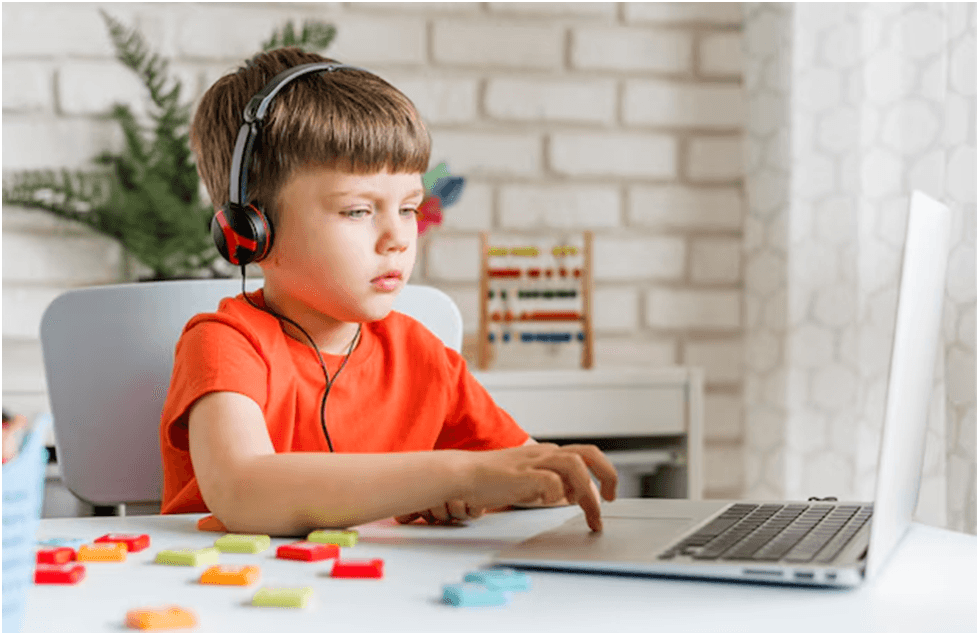
- Limit Screen Time: While some educational content can be beneficial, passive screen time is less effective for language learning than active human interaction.
- Encourage Play: Play provides natural contexts for language use and development.
5. Be Patient and Encouraging
Language acquisition is a developmental process. Celebrate small milestones and avoid correcting every grammatical error. Instead, model correct language use.
- Expand on Their Utterances: If a child says "doggy run," you might say, "Yes, the doggy is running fast!"
FAQs
- At what age do children learn language best?
- How does music help with language acquisition?
- Is it too late to learn a second language as an adult?
- What are some signs of language delay in children?
- How important is interaction for language development?
Early childhood, especially from birth to age 5, is the most effective period due to high brain plasticity.
Music helps children learn about rhythm, pitch, and the sounds of language, aiding in memory and vocabulary acquisition.
No, it's never too late, but it may require more conscious effort and may not result in native-like fluency as easily as learning during childhood.
Signs can include not babbling by 9 months, not using gestures by 12 months, not speaking single words by 16 months, or not combining two words by 24 months. Consult a pediatrician if concerned.
Highly important. Children learn language best through active, conversational interactions with caregivers and peers, rather than passive listening.
Ready to Get Started?
Join thousands of families who have given their children the gift of perfect pitch
Contact Us