Understanding Synaptic Growth Through Musical Training
Ever wondered what’s really happening inside a baby’s brain when they hear music? Spoiler alert: it’s a lot more than cute head-bobbing. The early years of life are like rush hour for the brain, connections are forming at lightning speed, and music plays a starring role in this process.
What Are Synapses and Why Do They Matter?
Synapses are tiny gaps between brain cells where information travels. Think of them as bridges connecting islands of knowledge. The more bridges you build, the faster and smoother the traffic flows. In baby brain development, these bridges multiply rapidly, especially when stimulated by rich experiences like music.
The First Five Years: A Critical Brain-Building Window
From birth to age five, the brain forms over one million new neural connections every second. Miss this window, and it’s like trying to build highways after the city is already crowded. Early childhood music education taps directly into this golden phase.
The Science Behind Synaptic Growth
How Synapses Form and Strengthen
Synapses don’t just appear randomly. They grow stronger with repeated use. When a baby hears a melody again and again, the related neural pathways get reinforced—kind of like muscle memory, but for the brain.
Experience-Driven Neural Connections
Every song, rhythm, and sound gives the brain a reason to connect neurons. Music provides predictable patterns, which the brain loves.
Use It or Lose It – Synaptic Pruning
Unused connections eventually fade away. Musical training helps preserve and strengthen important neural circuits by keeping them active.
Why Music Is a Powerful Brain Stimulator
Music as a Full-Brain Workout
Music isn’t just sound—it’s math, language, emotion, and movement rolled into one. Few activities engage both hemispheres of the brain simultaneously.
Auditory, Motor, and Emotional Brain Activation
When a child claps along to a song, their auditory cortex, motor cortex, and emotional centers light up together. That’s synaptic growth on steroids.
Early Childhood Music Education Explained
What Counts as Early Childhood Music Education?
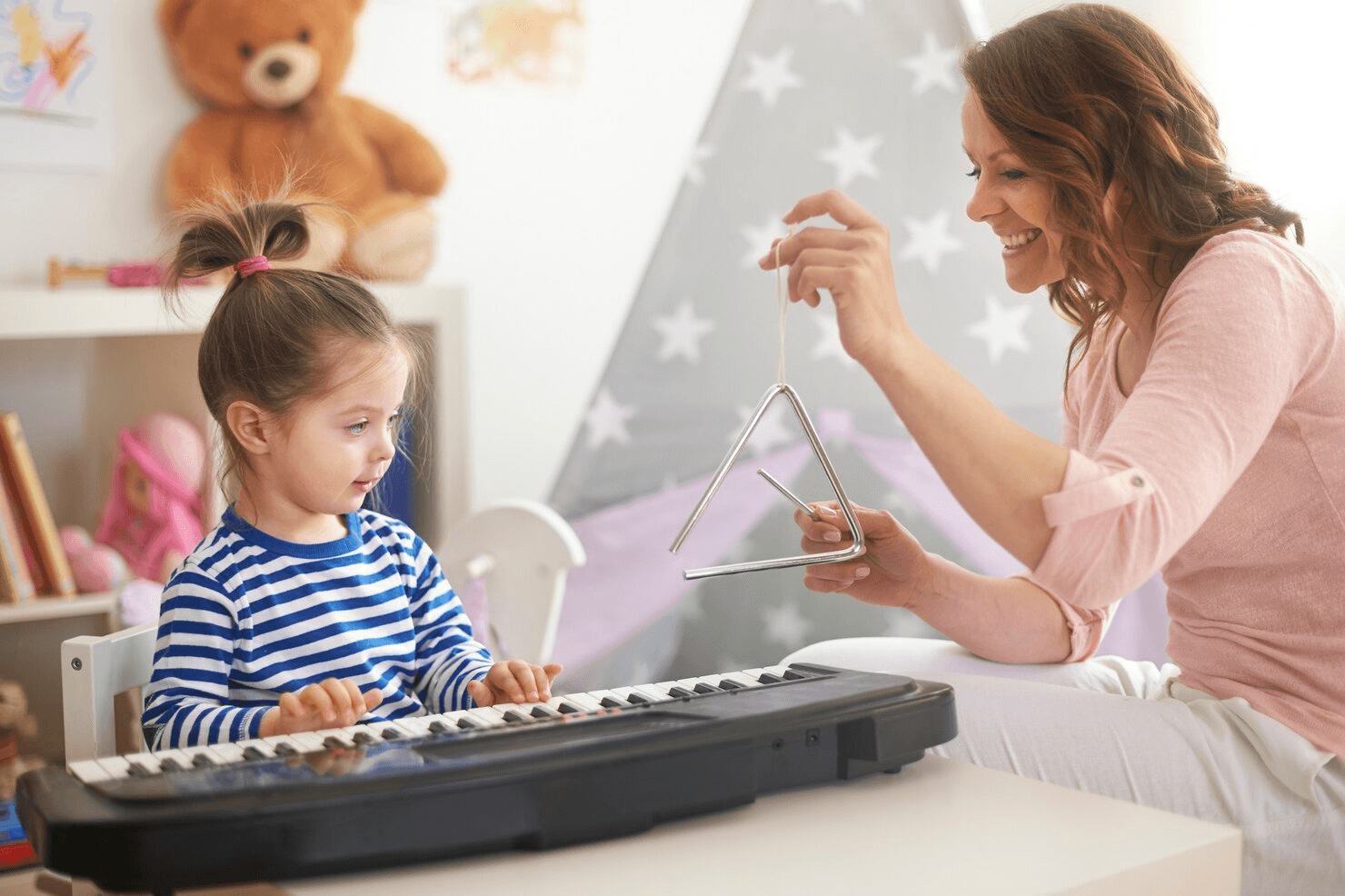
It’s not about formal piano lessons for toddlers. It’s about playful, engaging musical experiences that encourage participation.
Passive Listening vs Active Participation
Background music is nice, but active engagement—singing, clapping, moving—is where the magic happens.
Structured Programs vs Play-Based Learning
The best programs blend structure with fun, giving the brain just enough challenge to grow without stress.
Musical Training and Baby Brain Development
How Music Shapes Infant Neural Pathways
Babies exposed to music show stronger connections between brain regions responsible for sound, movement, and language.
Rhythm, Melody, and Memory Formation
Repetitive songs help babies predict what comes next, strengthening memory-related synapses.
Synaptic Growth Through Musical Activities
Singing and Language-Related Synapses
Singing boosts vocabulary, pronunciation, and listening skills—all thanks to reinforced language networks.
Movement and Motor Cortex Development
Music naturally invites movement, which strengthens motor planning and coordination.
Clapping, Tapping, and Coordination
Simple actions like tapping to a beat help synchronize both sides of the brain.
Emotional and Social Benefits of Music Training
Building Emotional Intelligence Early
Music teaches babies to recognize emotional cues—happy tunes, calm melodies, energetic beats.
Parent-Child Bonding Through Music
Shared musical moments create emotional safety, which further enhances brain development.
Cognitive Advantages Linked to Music
Attention, Focus, and Executive Function
Musical activities improve a child’s ability to concentrate and switch tasks smoothly.
Problem-Solving and Pattern Recognition
Music is full of patterns, and recognizing them strengthens logical thinking skills.
Best Musical Practices for Babies and Toddlers
Age-Appropriate Musical Activities
0–12 Months
Gentle singing, lullabies, and rhythmic rocking.
1–3 Years
Action songs, simple instruments, call-and-response tunes.
3–5 Years
Creative movement, rhythm games, and musical storytelling.
Role of Parents and Caregivers
Creating a Musical Home Environment
You don’t need fancy tools—your voice is enough.
Consistency Over Perfection
Sing off-key. Clap off-beat. The brain doesn’t care—it just wants stimulation.
Technology and Music in Early Learning
Music Apps, Toys, and Digital Tools
When used wisely, tech can support early childhood music education.
Screen Time vs Interactive Music Play
Interactive always wins. Passive screens? Not so much.
Common Myths About Music and Brain Development
“My Child Isn’t Musical”
Every child is wired for music. Talent is optional; exposure is essential.
“Music Training Is Only for Talent”
Music is a brain-building tool, not a talent contest.
Long-Term Impact of Early Musical Training
Academic and Behavioral Outcomes
Children with early music exposure often show better language, math, and social skills.
Lifelong Neural Flexibility
Early synaptic growth supports adaptability well into adulthood.
How to Choose the Right Music Program
Key Elements of a Brain-Friendly Program
Look for play-based, research-backed, and age-appropriate content.
Evidence-Based and Research-Driven Approaches
Programs rooted in neuroscience deliver lasting results.
The Future of Early Childhood Music Education
Neuroscience-Backed Learning Models
Music is becoming a core pillar of early education worldwide.
Integrating Music into Early Curricula
The future classroom will sound a lot more musical—and that’s a good thing.
Conclusion
Understanding synaptic growth through musical training reveals a powerful truth: music isn’t just entertainment—it’s brain nutrition. Early childhood music education plays a vital role in baby brain development by strengthening neural connections that support learning, emotion, and creativity. Start early, keep it playful, and let music do what it does best—build brilliant brains.
FAQs
- At what age should music education begin?
- Does background music help baby brain development?
- How often should babies engage in musical activities?
- Can music improve language development?
- Do parents need musical training to help their child?
From birth. Even newborns benefit from musical exposure.
It helps, but active engagement is far more effective.
Short, daily sessions work best.
Yes, music strongly supports speech and language skills.
Not at all. Enthusiasm matters more than expertise.
Ready to Get Started?
Join thousands of families who have given their children the gift of perfect pitch
Contact Us