The Role of Rhythm and Movement in Cognitive Development
Ever noticed how kids naturally bounce, clap, or sway when music plays? That’s not just cute, it’s cognitive magic in action. Rhythm and movement aren’t just physical expressions; they’re powerful tools that shape how the brain learns, remembers, and grows.
Understanding Cognitive Development
What Is Cognitive Development?
Cognitive development refers to how we learn, think, reason, remember, and solve problems. It’s the mental framework that allows us to understand the world, kind of like the operating system of the brain.
Key Cognitive Skills Shaped in Early Life
Skills such as attention, memory, language, emotional regulation, and executive function are all built during early development. The surprising part? Many of these skills grow faster when rhythm and movement are involved.
Why Rhythm and Movement Matter
The Science Behind Rhythm and Brain Function
The brain loves patterns. Rhythm provides predictable patterns that help neurons fire in sync, creating stronger neural pathways.
Neural Timing and Synchronization
Rhythmic activities improve timing in the brain—essential for reading, listening, and even social interaction. Think of rhythm as the metronome that keeps brain activity in tune.
Movement as a Learning Language
Before children speak, they move. Movement is often the first “language” the brain uses to explore and understand concepts like space, cause-and-effect, and sequencing.
Rhythm and Memory Formation
How Patterns Strengthen Recall
Ever learned the alphabet through a song? Exactly. Rhythm enhances memory by organizing information into digestible chunks. Patterns make recall easier, faster, and more durable.
Movement and Executive Function
Focus, Attention, and Self-Regulation
Executive function skills, like impulse control and sustained attention, are strengthened through movement. Activities like dance or martial arts teach children how to start, stop, adapt, and focus.
The Connection Between Rhythm, Language, and Literacy
Clapping, Chanting, and Phonological Awareness
Rhythmic clapping and chanting help children hear syllables and sound patterns. These skills are critical for reading fluency and spelling later on.
Physical Movement and Problem-Solving Skills
Learning Through Action
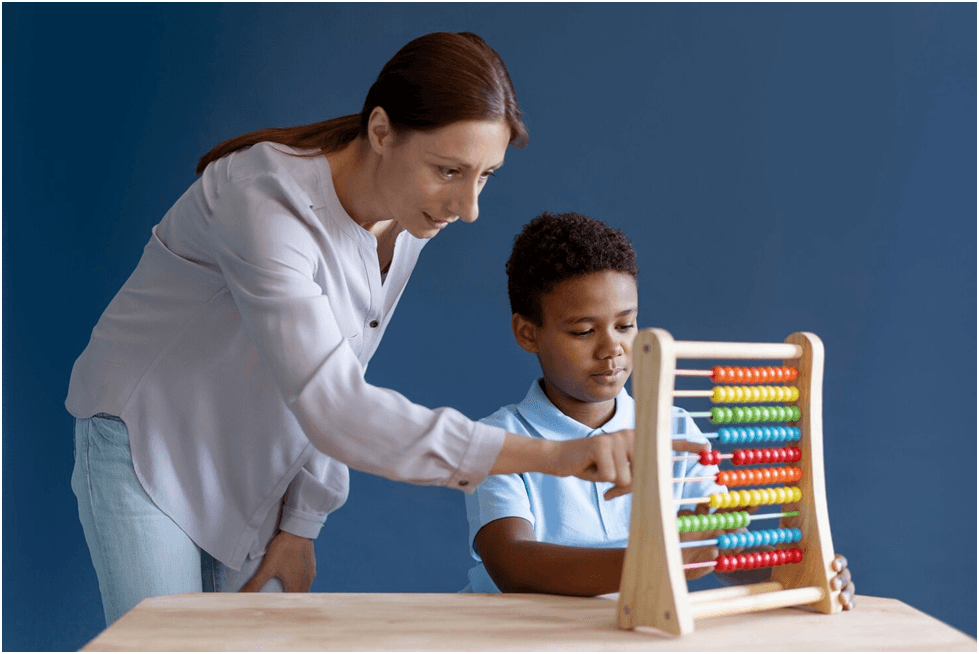
Movement-based learning turns abstract ideas into real experiences. When kids physically act out math problems or stories, comprehension skyrockets.
Social and Emotional Growth Through Rhythm
Group Movement and Emotional Intelligence
Group rhythm activities, like drumming circles or dance, build empathy, cooperation, and emotional awareness. Moving together helps people feel connected, literally “in sync.”
Rhythm and Movement in Early Childhood Education
Classroom Applications
Forward-thinking classrooms now use brain breaks, movement songs, and rhythm games to boost attention and retention. Learning sticks better when the body is involved.
The Role of Rhythm and Movement Across the Lifespan
From Infancy to Adulthood
Rhythm isn’t just for kids. Adults benefit too, exercise, dance, and music improve memory, reduce stress, and even protect against cognitive decline.
Practical Ways to Incorporate Rhythm and Movement Daily
Simple Activities for Home and School
- Clapping games
- Movement-based storytelling
- Dance breaks during study time
- Walking while brainstorming
- Using music to reinforce routines
Small changes, big brain gains.
Challenges and Misconceptions
Why Movement Is Often Undervalued
Many still see movement as a distraction from “real learning.” In reality, it is real learning—just through a different (and often more effective) channel.
The Future of Movement-Based Cognitive Learning
With growing research backing embodied learning, the future points toward classrooms and workplaces that embrace rhythm, movement, and play as serious cognitive tools.
Conclusion
Rhythm and movement aren’t extras, they’re essentials. They shape how we think, remember, communicate, and connect. When learning engages both the mind and the body, cognition doesn’t just develop, it thrives. So next time you tap your foot or dance to a beat, remember: your brain is learning too.
Frequently Asked Questions (FAQs)
- How does rhythm improve cognitive development?
- Can movement really help with learning difficulties?
- At what age does rhythm and movement matter most?
- Does music matter, or is movement enough?
- How can parents use rhythm at home?
Rhythm helps synchronize brain activity, improving memory, attention, and language processing.
Yes. Movement-based learning has shown strong results for attention disorders, dyslexia, and sensory integration challenges.
From birth, but benefits continue throughout life.
Both help, but together they’re more powerful. Music enhances timing and emotional engagement.
Simple activities like singing, clapping games, and movement breaks during homework work wonders.
Ready to Get Started?
Join thousands of families who have given their children the gift of perfect pitch
Contact Us